
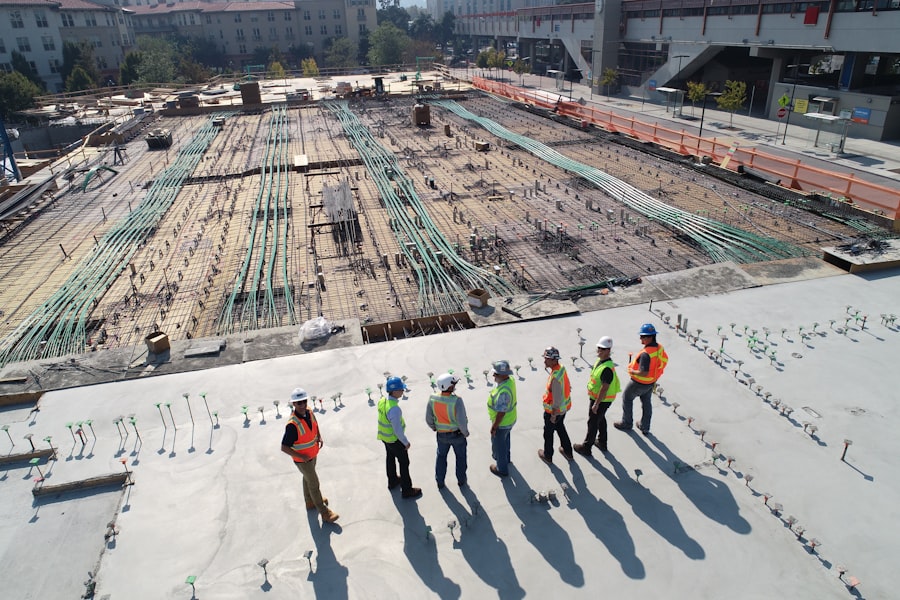
If you work in construction, you’ve likely noticed it’s harder than ever to find qualified workers. If you’re a skilled tradesperson, you’ve probably seen your phone ringing more often. The construction labor shortage isn’t new, but it’s reaching a point where both employers and workers need to adapt.
What’s Driving the Shortage
Several factors have combined to create today’s tight labor market:
- Aging workforce: Many experienced workers are retiring, taking decades of knowledge with them
- Fewer young people entering trades: High school students have been steered toward four-year colleges rather than vocational training
- Increased construction activity: Infrastructure projects and continued development have increased demand
- Competition from other industries: Warehousing, manufacturing, and delivery services compete for similar workers
What This Means for Employers
Companies that want to attract and keep good workers need to think beyond just pay rates. While competitive wages matter, workers also look at benefits, job stability, company culture, and opportunities for advancement. Firms with strong safety records and modern equipment have an advantage in recruiting.
The hiring process itself matters too. Qualified candidates often have multiple offers. If your hiring takes weeks, you’ll lose people to companies that move faster. Streamlining your process while still being thorough can make a real difference.
“The companies winning the talent competition are the ones treating recruitment like a year-round priority, not just something they do when a position opens up.”
What This Means for Workers
For experienced construction professionals, it’s a good time to evaluate your options. Superintendents, project managers, estimators, and skilled tradespeople have leverage they haven’t had in years. But that doesn’t mean every move is a good one.
When considering a new position, look beyond the salary offer:
- Is the company financially stable with a solid project pipeline?
- What’s their reputation for safety and how they treat employees?
- Are there paths for growth and advancement?
- What types of projects will you be working on?
The Denver Market
Here in Colorado, the construction market remains active. Multifamily housing continues to be built across the metro area, and commercial construction has steady demand. Employers are competing hard for experienced superintendents and project managers who know the local subcontractor market and can hit the ground running.
Looking Ahead
The labor shortage won’t resolve quickly. For employers, that means building relationships with recruiters, investing in training, and creating workplaces people don’t want to leave. For workers, it means opportunities are out there—but taking time to find the right fit still matters more than jumping at the first offer.
Let’s Connect
Whether you’re hiring or looking for your next role, our team can help.
Staff Chasers Team · With over 25 years in staffing and recruiting for Construction and Property Management industries.